
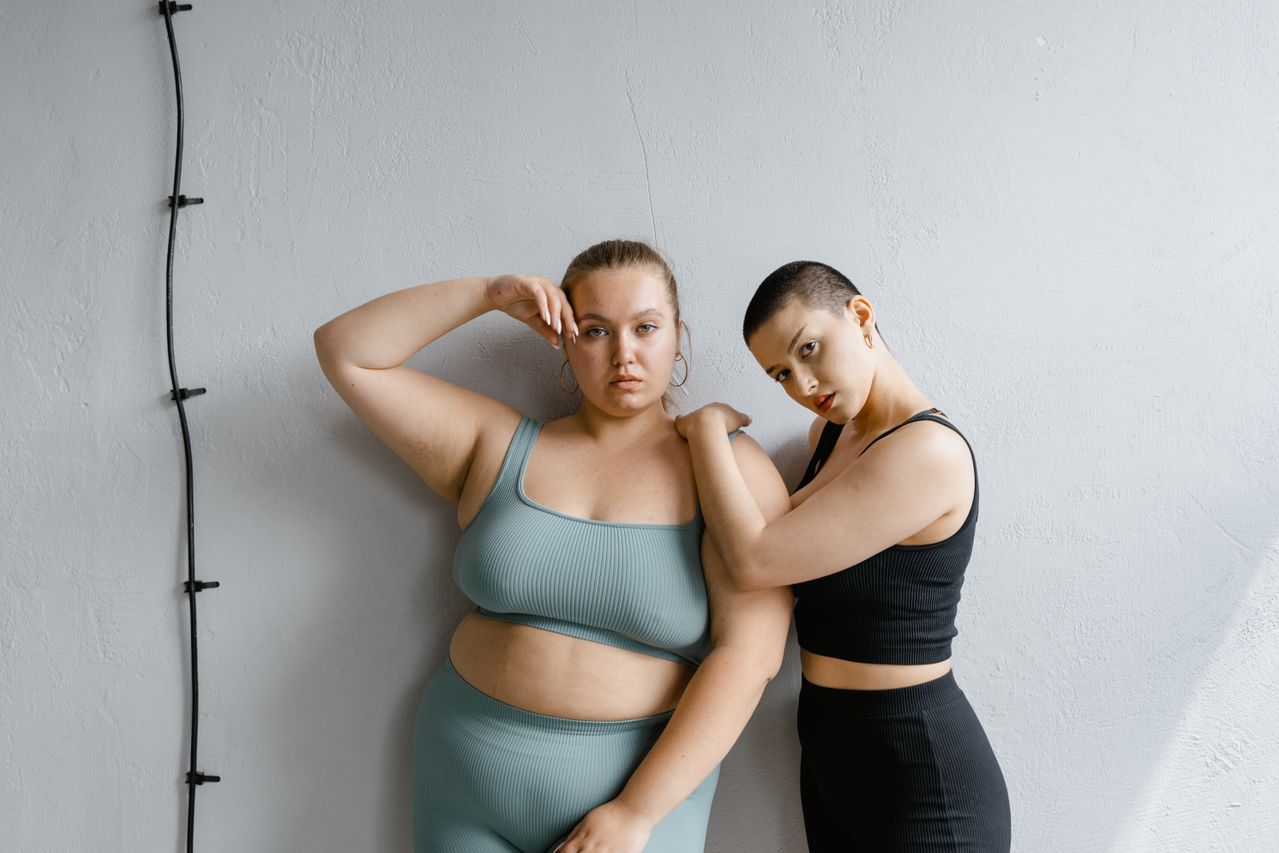
Body image and physical health can have a great impact on one’s general state of well-being, especially when it comes to vulnerable people. Things like illnesses, social pressure, psychological problems, and inadequate health care can cause more issues. Awareness of this problem can lead to being more compassionate and making better decisions regarding your health and body image.
Mental Health Challenges
There is a strong relationship between mental well-being and body image. People suffering from anxiety, depression, poor self-image, and any kind of emotional problems may have a very negative image of themselves. This perception can be worsened due to constant exposure to idealized body image standards in the age of social media, where everything is heavily edited and presented as reality. There are people who may start eating less, not going out, and exercising too much as a reaction to this pressure. This behavior will impact the state of mind even more and create a vicious circle of problems. The right help from mental health specialists, supportive friends and relatives, and healthcare providers may assist in finding ways to cope with such issues.
Social Pressure and Body Positivity
The social pressure to conform to certain body types might lead people to feel like their bodies have to look a certain way. Factors such as weight, age, disabilities, scars, skin conditions, and other physical traits may turn into insecurities because of the negative reaction of people to such aspects of others’ bodies. Body positivity is an opposite view that suggests accepting the body instead of rating it according to appearance. It does not mean disregarding the health problems or denying that everybody feels self-assured all the time. It implies appreciating the variety of the human body, rejecting negative stereotypes about it, and building a positive attitude towards it.
Lipedema and Physical Well-Being
Lipedema is a disorder where the body produces excessive fat. Lipedema mainly affects the lower parts of the body such as the legs. It can also affect the arms in some patients. Lipedema mostly affects women. Patients with lipedema experience swelling, pain, sensitivity, bruises, and difficulty in moving around. Greater awareness can help people recognize that this condition involves more than appearance alone. In Canada, individuals who suspect they may have the condition can consult experts in lipedema in Toronto who can assess their symptoms, explain available management approaches, and help determine appropriate next steps. Professional guidance can be particularly valuable when physical symptoms begin interfering with everyday activities or emotional well-being.
Disordered Eating and Vulnerability
Pressure regarding weight and body image issues can cause unhealthy relationships with food. People who are susceptible may obsess about their caloric consumption, body shape, or their body flaws, which can lead to restricting their food intake, binging on food, excessive exercising, or other unhealthy habits. This issue can happen to people regardless of their age, body type, or background, and therefore one cannot judge a person based on their body alone. Indicators could include eating alone, feeling guilty after consuming food, constant discussion of their weight, or having strict food habits. Early identification will make it easier for a person to seek help from an expert.
Chronic Conditions and Self-Esteem
Having a chronic condition, a disability, an injury, or even just a medical condition that is visibly apparent can change how one looks at their own body. Issues such as scars, inability to move, baldness, edema, or changes in body weight can influence one’s self-confidence and ability to interact with others. The vulnerable can face insults from others or even be pushed into hiding their body because of these issues. Healthcare must, thus, look beyond the mere symptoms. It can take compassion in communication, accommodation, peer support, and proper treatment to help a person maintain his or her independence and self-confidence.
In summary, the issue of body image and health concerns is not always easy to separate, especially in the case of vulnerable persons who experience problems physically, emotionally, or socially. The issues of mental well-being, body image pressure, lipedema, unhealthy dieting habits, and chronic illnesses can all have an impact on how one lives their life. Increased understanding and compassion may prompt people to seek the right help and establish a better relationship with themselves.

